Summer 2026 Course Offerings
For the most accurate listings, including modes of instruction please visit BuckeyeLink or Classes.osu.edu.
Summer 2026 Course Offerings
SESSION 1: May 11 - July 2, 2026
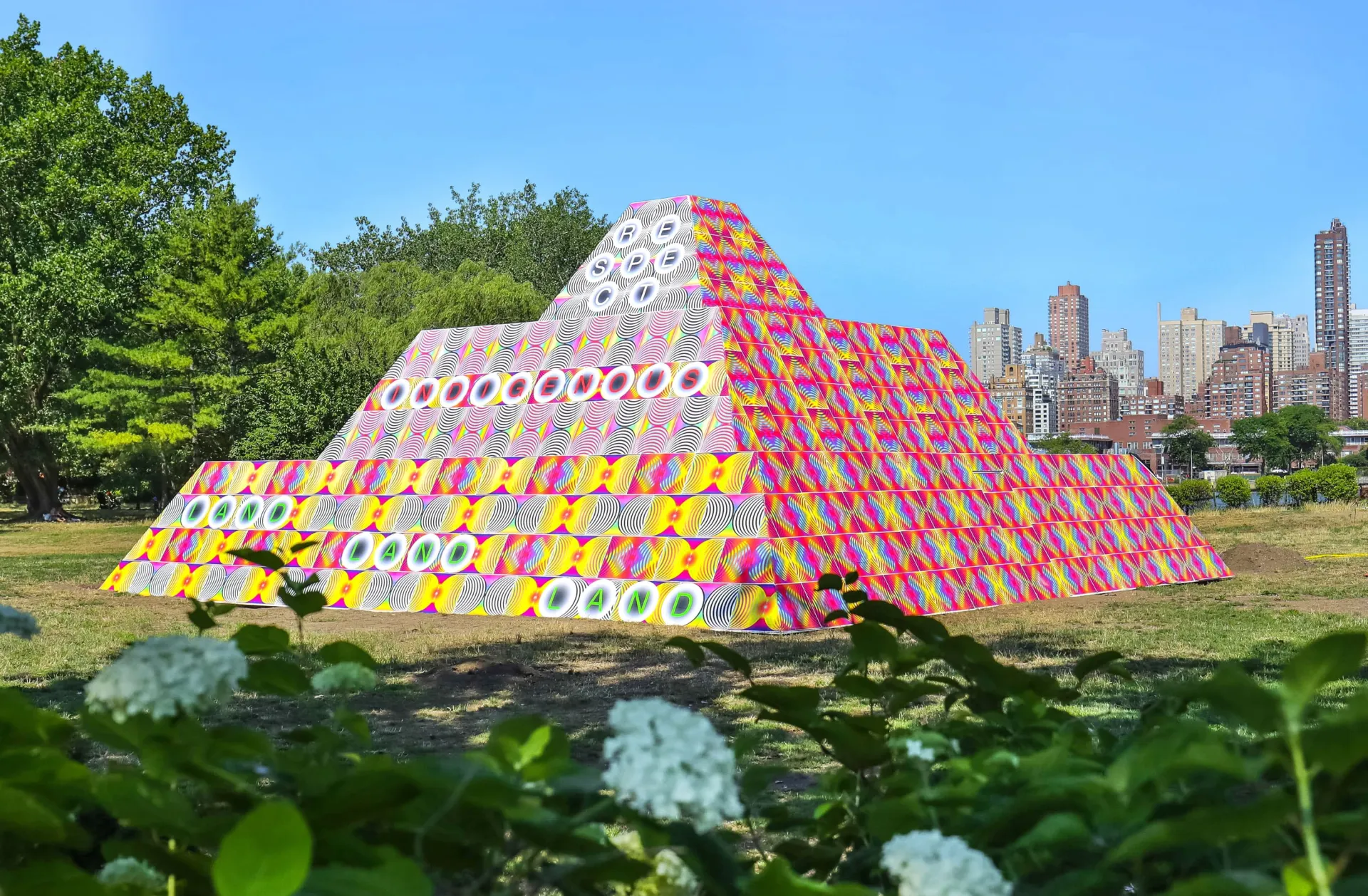
History of Art 2001 ONLINE - Western Art I: Ancient and Medieval Worlds
Instructor: Shima Karimi
Class #13529 | 8 Weeks, Session 1 | ONLINE | ASYNCHRONOUS
This course examines the history of Western Art (architecture, painting and sculpture) from the third millennium BCE through the fifteenth century CE. Rather than a complete “survey” of that period, the course will concentrate its attention on a select group of representative monuments. We will examine not only the monuments themselves, but also the historical context in which they were produced in order to explore their purpose and the way that they functioned. There will be a strong emphasis on visual analysis and understanding how visual forms convey meaning and relate to the viewer. Our goal is to impart not only a body of knowledge but also a set of critical tools, which you should be able to apply to even material not specifically covered in this course.
Image: Hagia Sophia
GEN foundations: Literary, Visual and Performing arts (LVPA) and Historical and Cultural Studies
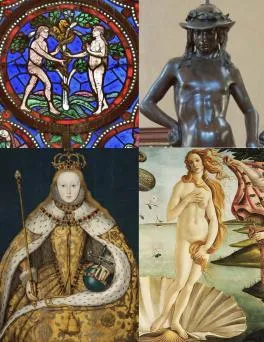
History of Art 3010 - Gender and Sexuality in European Art
Instructor: Christy Sher
Class # 22345 | 8 Weeks, Session 1 | ONLINE | ASYNCHRONOUS
This course offers an introduction to the intersectional study of European Art, exploring the intertwining ideologies of gender, sexuality, race, and ethnicity from the Ancient Mediterranean World to the present. We will see that the ways artworks impact and construct ideas and stereotypes about gender, race, and sexuality in the modern world are deeply influenced by their development in premodern history. Topics to be explored include the ways in which ideas about gender roles and identities are shaped by artworks; the gendered contexts of artistic production; gendered practices of viewing works of art; the changing status of female and non-white artists and patrons in Europe; the way people of color were depicted in premodern European art; and queer and transgender artists and artworks. We will investigate the ways in which works of art enforced particular codes of behavior for people of different genders and races, but also how works of art served as sites of resistance to such roles and stereotypes, and as a place where individual identities were negotiated and portrayed. We will explore both famous works of European art and also lesser-known paintings, sculptures, buildings, and objects of visual culture.
GEN Foundations: Literary, Visual, and Performing Arts (LVPA) and Race, Ethnicity, and Gender Diversity (REGD)
History of Art 4620 - 20th Century European Art: Mind & Medium, European Art & Philosophy in Dialogue
Instructor: Lecturer Amy Schuessler
Class # 22134 | 8 Weeks, Session 1 | ONLINE | SYNCHRONOUS | MON, WED & FRI 9:50-11:25
This course explores the dynamic relationship between 20th-century European art movements and their contemporary philosophical frameworks. For example, we will examine how Cubism's fracturing of perspective aligned with Phenomenology's questions about perception, how Surrealism embodied psychoanalytic theory, how Abstract Expressionism reflected Existentialist ideas about authenticity and freedom, and how Conceptual artists challenged fundamental ideas about art itself. Through careful analysis of key artworks, texts, and historical contexts, we will uncover how artists and prominent thinkers jointly responded to rapid modernization, global upheaval, and shifting social paradigms. By examining these pivotal movements and their theoretical underpinnings, we will gain a nuanced understanding of how European artists and philosophers grappled with the profound changes that shaped the 20th century.
Course activities include lectures and comparative analysis of a variety of artworks in concert with critical texts, emphasizing how theoretical ideas manifest in visual form. Students will develop skills in formal analysis, conceptual interpretation, and interdisciplinary thinking through guided discussions, written assignments, and a final curatorial project.
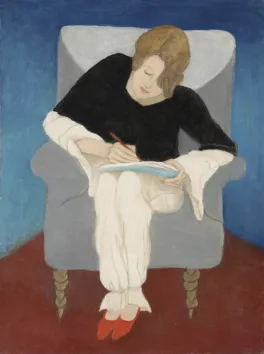
Image: Gabrielle Münter, Lady in an Armchair, writing (Stenography: Swiss Woman in Pyjamas) 1929.
SESSION 2: June 5 - July 30, 2026
History of Art 2001 ONLINE - Western Art I: Ancient and Medieval Worlds
Instructor: Tony DelAversano
Class #22346 | 8 Weeks, Session 1 | ONLINE | ASYNCHRONOUS
This course examines the history of Western Art (architecture, painting and sculpture) from the third millennium BCE through the fifteenth century CE. Rather than a complete “survey” of that period, the course will concentrate its attention on a select group of representative monuments. We will examine not only the monuments themselves, but also the historical context in which they were produced in order to explore their purpose and the way that they functioned. There will be a strong emphasis on visual analysis and understanding how visual forms convey meaning and relate to the viewer. Our goal is to impart not only a body of knowledge but also a set of critical tools, which you should be able to apply to even material not specifically covered in this course.
Image: Hagia Sophia
GEN foundations: Literary, Visual and Performing arts (LVPA) and Historical and Cultural Studies

History of Art 2002 - Western Art II: Europe and the United States, Renaissance to Modern
Instructor: Sterling Nix
Class # 17526 | 8 Weeks, Session 2 | ONLINE | ASYNCHRONOUS
This course examines the art of Europe and the United States from about 1400 to the present, with an emphasis on developments in painting. Rather than a traditional survey of that period, the course will concentrate on a select group of representative works that shaped—and were shaped by — Western social, political, economic, and intellectual history. There will be a strong emphasis, too, on questions of analysis and interpretation —including, in some cases, the changing history of the artworks’ reception. The goal will be to impart not only a body of knowledge but also a set of critical tools, including visual literacy, that students will be able to apply to a wide range of material not specifically covered in the course.
GEN Foundations: Literary, Visual and Performing Arts (LVPA) and Historical and Cultural studies
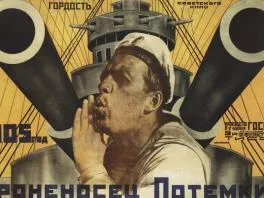
History of Art 2901 - Introduction to World Cinema
Class #22135 | 8 Weeks, Session 2 | ONLINE | ASYNCHRONOUS
Instructor: Peter Smyth
This course will introduce students to the history of film as an artistic medium and a global art form. We will track technological, aesthetic, and formal developments in its evolution from photographic and proto-cinematic technologies to digital cinema by studying particular masterpieces, and focusing on the role of the director or auteur. We will pay close attention to the medium’s complex relationship to time, its changing materiality, and its fraught relationship to truth and reality. Students will engage in a historical and formal study of international cinema through a chronological survey of its major forms, techniques, and its relationship to the broader history of art, as well as social and political history. We will sample its major and “minor” forms, from Hollywood productions to art gallery experiments and cinema from the developing world. Students will be introduced to the grammar of film through a historical account of its formal evolution and the stylistic analysis of the visual and narrative structures of individual films.
GEN Foundations: Literary, Visual and Performing arts (LVPA)
History of Art 3010 - Gender and Sexuality in European Art
Instructor: April Riddle
Class # 18163 | 8 Weeks, Session 2 | ONLINE | ASYNCHRONOUS
This course offers an introduction to the intersectional study of European Art, exploring the intertwining ideologies of gender, sexuality, race, and ethnicity from the Ancient Mediterranean World to the present. We will see that the ways artworks impact and construct ideas and stereotypes about gender, race, and sexuality in the modern world are deeply influenced by their development in premodern history. Topics to be explored include the ways in which ideas about gender roles and identities are shaped by artworks; the gendered contexts of artistic production; gendered practices of viewing works of art; the changing status of female and non-white artists and patrons in Europe; the way people of color were depicted in premodern European art; and queer and transgender artists and artworks. We will investigate the ways in which works of art enforced particular codes of behavior for people of different genders and races, but also how works of art served as sites of resistance to such roles and stereotypes, and as a place where individual identities were negotiated and portrayed. We will explore both famous works of European art and also lesser-known paintings, sculptures, buildings, and objects of visual culture.
GEN Foundations: Literary, Visual, and Performing Arts (LVPA) and Race, Ethnicity, and Gender Diversity (REGD)